We make product direction hold when it reaches execution
Most decisions survive the meeting and break somewhere between planning and delivery. This is the part we own.
Two ways in, one first step
Most of the work we take on starts somewhere in the middle.
Most briefs describe a symptom
A brief usually arrives as a request: rebuild this, add that, launch the other thing. The work starts by finding what made the request necessary.
Idea to profit, and every part in between
Most engagements cover two or three of these. The gaps are where the cost shows up later.
Idea
the business case, the constraint, the outcome it has to produce
D.A.T.A.
market, competitors, trends, customers
Strategy
positioning, prioritisation, scope, sequencing
Product
behavioural science, technology, experience, interface
Profit
revenue, retention, cost to serve, time to market
One team can hold all five. Which ones we hold depends on where the gaps are.
Three disciplines, one decision log
The handover between them is where most product work loses time. We remove the handover.
- 01
Strategy
We decide what the product should do next, argued against the market it operates in and the constraints it already has.
- 02
Design
We turn that into something a person can use, tested on real behaviour rather than described in a deck.
- 03
Engineering
We build an architecture sized for the load the product will actually carry, by the people who made the decisions above.
What you get at each stage
Each stage ends with something you can act on, not a status update.
01 / Discovery
Structured brief, validated assumptions, risk map
02 / Direction
Product direction, prioritised roadmap, decision framework
03 / Design
Design system, validated prototypes, interaction logic
04 / Build
Working product, technical documentation, handover
05 / Optimisation
Performance audit, improvement backlog, measurable outcomes
Every test has a stop condition
The hypothesis is written down, the success threshold is set before the test runs, and the evidence decides.
Stop
Refine
Pivot
Scale
How responsibility is structured
One senior lead owns your product from first conversation to outcome



They coordinate across the disciplines, which is the part that usually lands on the client.

What Alty owns
- Product and technical decisions
- Quality across all disciplines
- Delivery against defined outcomes

Where you stay involved
- Business priorities and constraints
- Key directional decisions
- Approval at decision points

What you never have to do
- Coordinate between teams
- Translate between disciplines
- Chase progress or resolve gaps
Every decision is written down, and every call is recorded. Nothing depends on who remembers what.
Where the decision was the deliverable
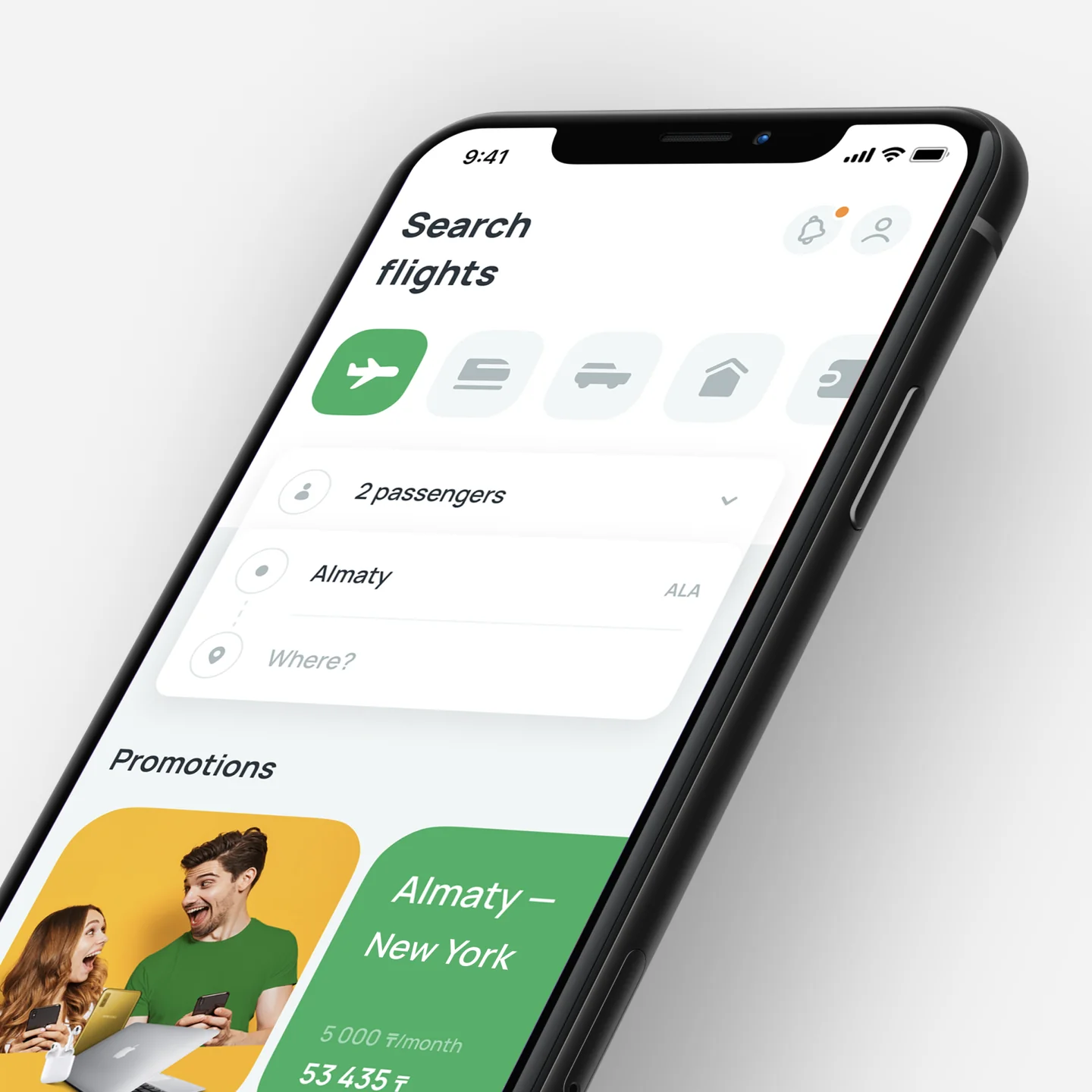
Kazakhstan's largest bank
How Halyk Bank tested whether non-banking services belong inside a banking app
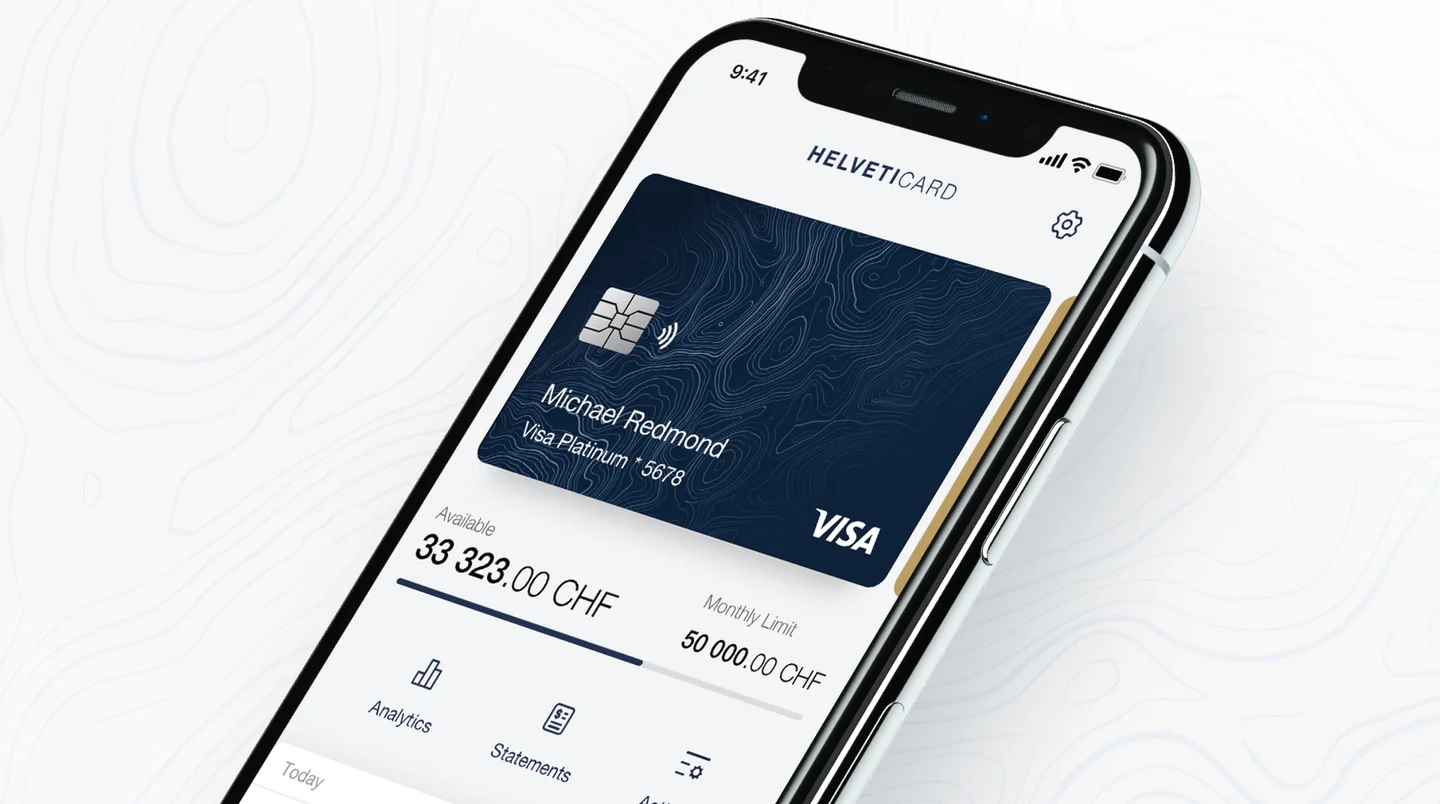
Swiss private bank
How CBH rebuilt the digital core before building anything customer-facing
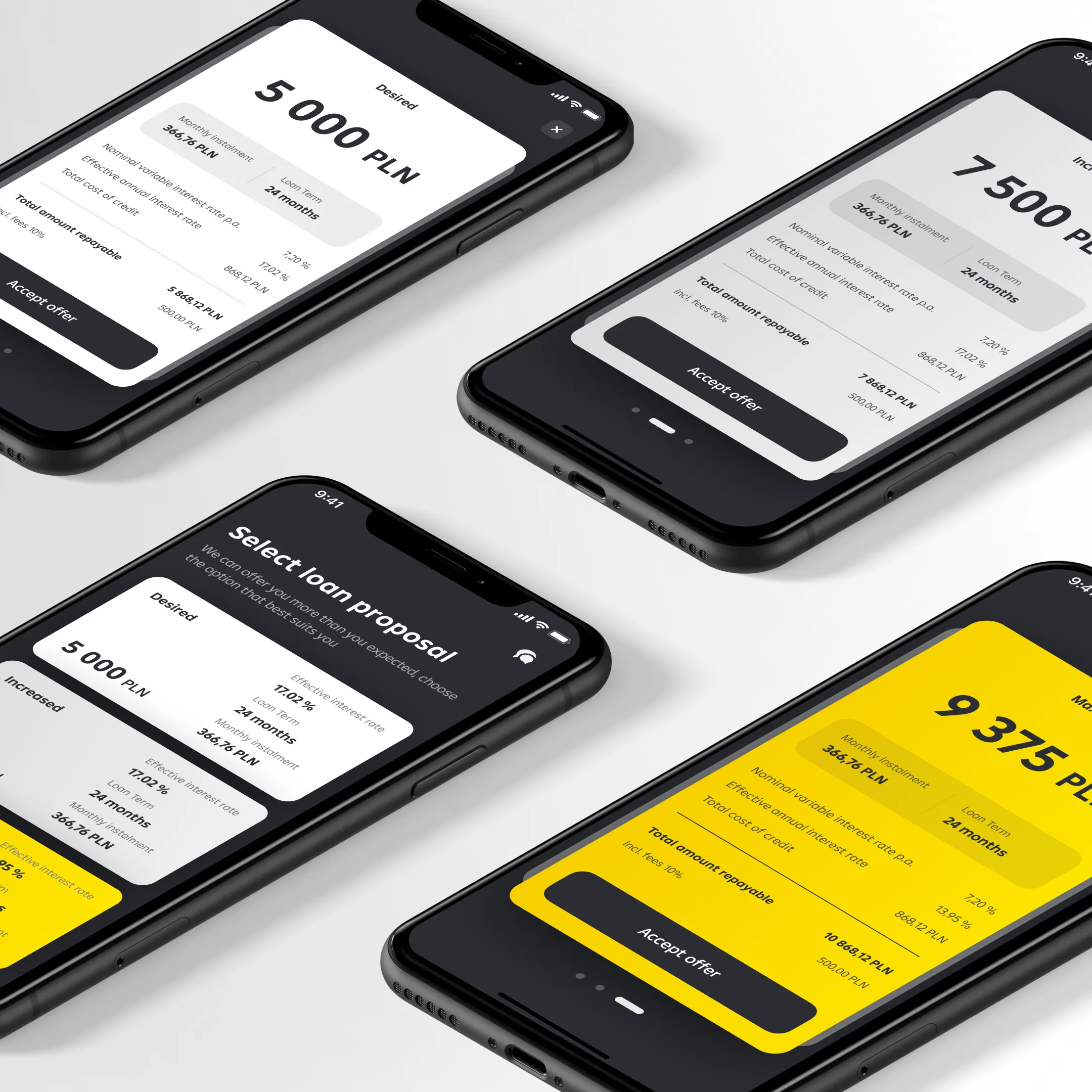
Raiffeisen Bank International
How a market entry was structured for the two markets that came after
 Choosing a partner
What to ask a product partner: the artefact list
We all know what a selection process looks like: a deck, two reference calls, a scoring matrix. How do you learn from any of that how a team behaves in month four, when the date has moved and somebody has to decide what gets cut?
 Choosing a partner
How to Choose a Product Partner in Fintech
What to look for, what to ask, and the red flags worth catching before you sign a product partner in fintech or banking. From Alty's Chief Product Officer.