Alty turns a new product idea into a direction you can fund
In four to six weeks you get a direction backed by market and user research, with a first build scoped against real constraints.
Products we helped launch





Right now this product costs nothing to change
Nothing is in the architecture yet, so nothing is expensive yet. This is the cheapest working time you will ever have on this product.
Bold ideas create momentum
What decides whether it lasts is what gets settled before the build.
Value
What this product is worth to someone, stated so it can be checked.
Behaviour
Evidence that users act the way the plan needs them to.
Feasibility
A technical approach tested against the constraints it will run under.
Business logic
How the product makes money, and what has to be true for that to work.
We turn ambition into defensible decisions
- 01
ALIGN INITIATIVES WITH SYSTEM LOGIC
Every initiative is placed against the system it will live in, so the roadmap and the architecture describe the same product.
- 02
VALIDATE ARCHITECTURAL IMPACT EARLY
The cost of a decision is priced while it is still a decision — before it is a dependency.
- 03
PREVENT INFRASTRUCTURE DUPLICATION
One capability, built once. Parallel teams inherit it rather than rebuilding it under a different name.
- 04
ESTABLISH CLEAR OWNERSHIP
Each surface has a name against it, so a decision has somewhere to land.
- 05
DEFINE THE SMALLEST VIABLE ENTRY POINT
The first release is scoped to prove the structure holds, not to carry the whole ambition.
Everything above lands as one document your board can read and your delivery team can price.
Products that were decided before they were built
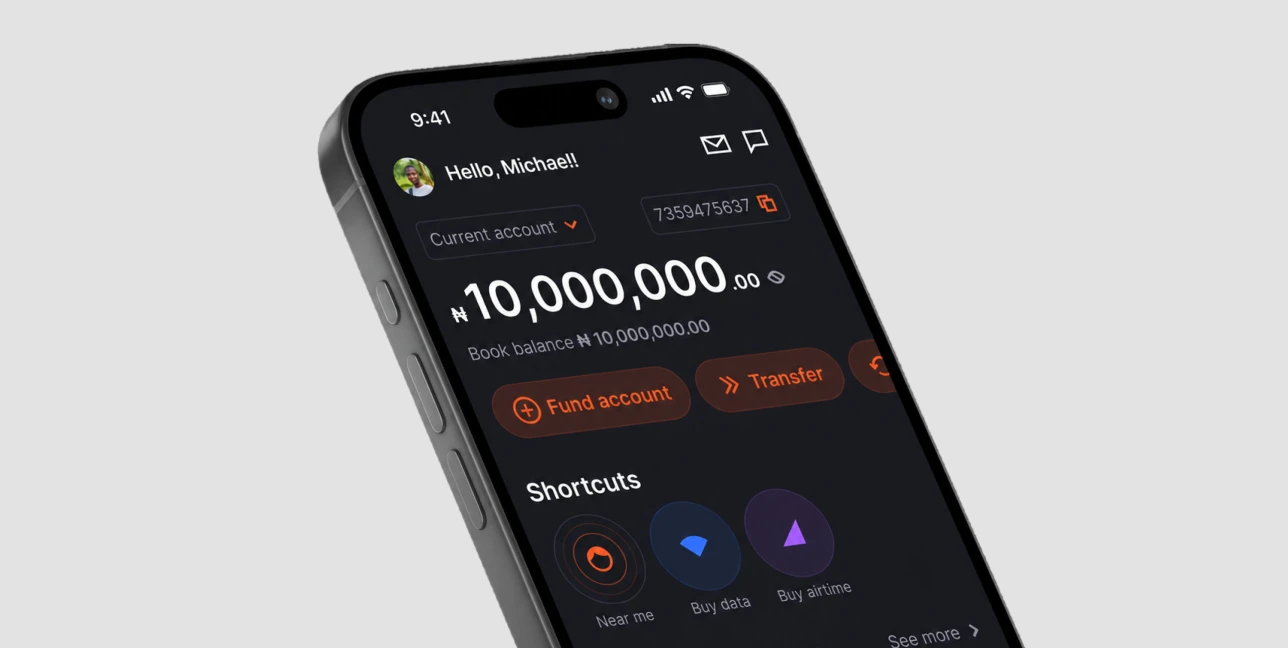
Leading Nigerian bank
How a leading Nigerian bank restored its ability to innovate at scale
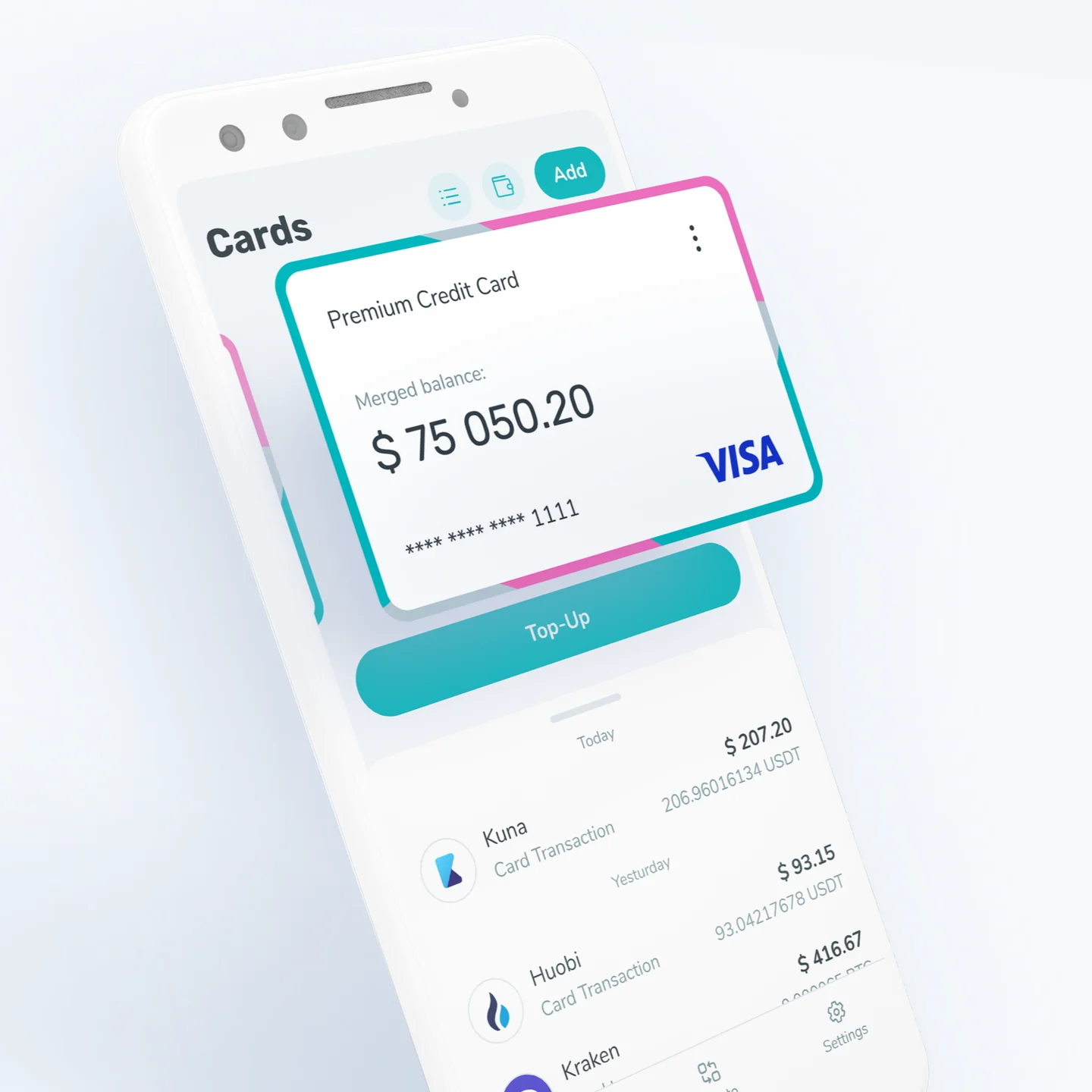

Crypto payments fintech
How Weld launched Ukraine’s first crypto-linked card in a regulated market
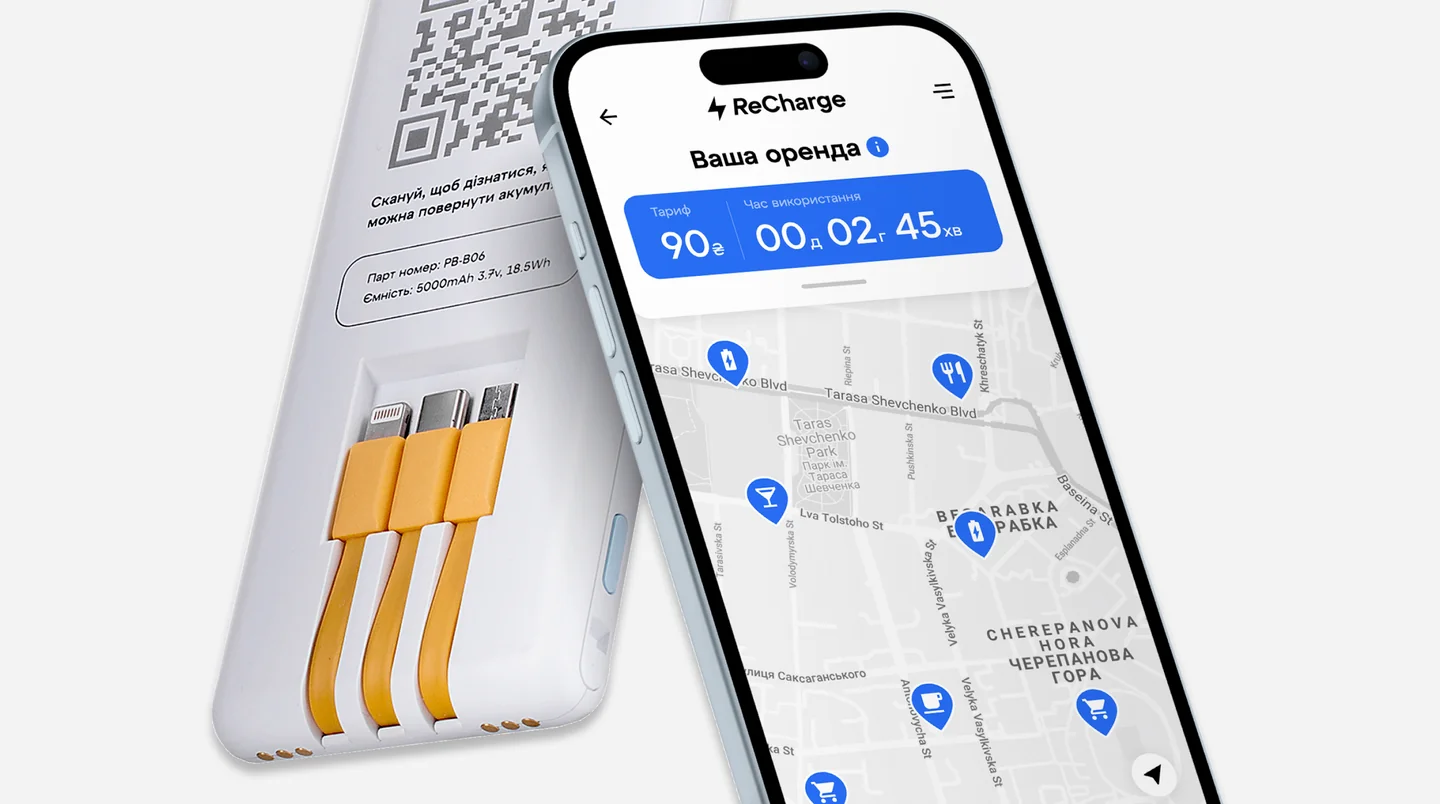

Power-bank rental network
How Recharge built a rental network with no app to download
 AI
Does Your Product Actually Need AI?
A CTO's checklist before adding AI to a fintech product: is it the best fix, do you have the data, can you carry it after launch, and when to say no.
 Choosing a partner
What to ask a product partner: the artefact list
We all know what a selection process looks like: a deck, two reference calls, a scoring matrix. How do you learn from any of that how a team behaves in month four, when the date has moved and somebody has to decide what gets cut?